Managing appointments should be simple, efficient, and private. A digital calendar with anonymous time slot booking feature helps individuals and businesses organize meetings without exposing unnecessary personal details, making scheduling faster while supporting a more secure user experience.
As online scheduling becomes a standard part of modern communication, privacy is no longer just a bonus. Users expect booking systems that reduce friction, protect identity when needed, and still provide a smooth way to reserve available time slots.
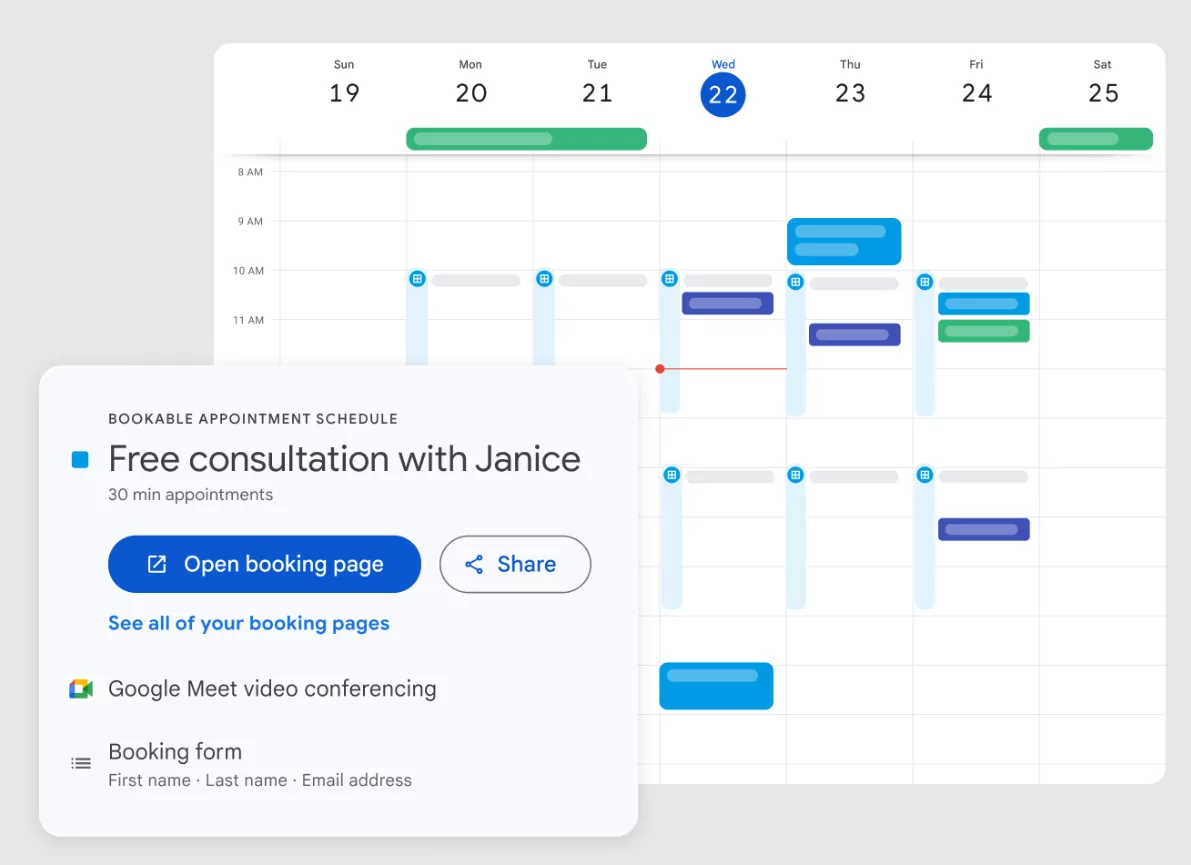
What Is a Digital Calendar with Anonymous Time Slot Booking Feature?
A digital calendar with anonymous time slot booking feature is an online scheduling system that allows people to reserve available time slots without sharing more personal information than necessary. Instead of requiring full identity details at the beginning, the system can limit visible user data while still confirming bookings accurately.
This model is useful for consultations, support sessions, discovery calls, internal interviews, coaching meetings, and community-based services. It supports a more secure scheduling flow while helping organizers maintain an efficient calendar structure.
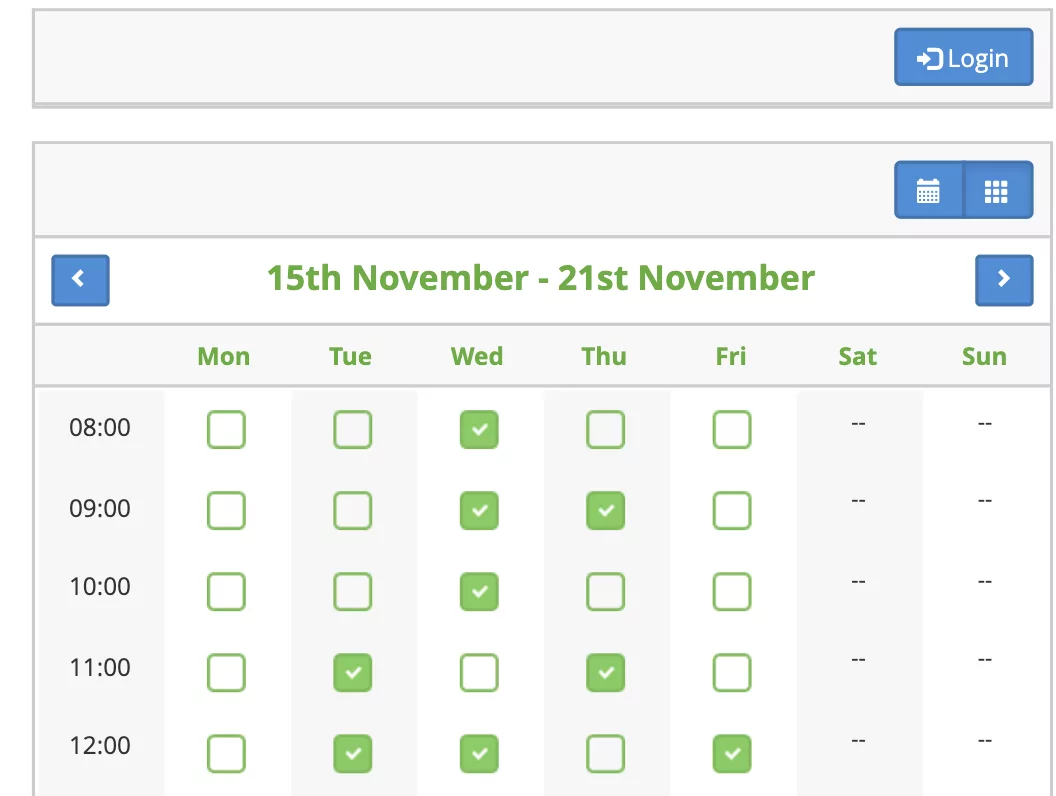
Why Anonymous Booking Matters
Many traditional booking tools collect full names, phone numbers, company details, and email addresses before a person can even pick a slot. In many cases, that level of disclosure is not needed at the first stage of scheduling. The result is often lower trust, more hesitation, and a higher chance that visitors leave the page without completing the booking.
An anonymous booking feature reduces that friction. When users feel that a platform respects privacy, they are more likely to continue with the process. This creates a better user experience and can improve booking completion rates for businesses that depend on fast, low-friction scheduling.
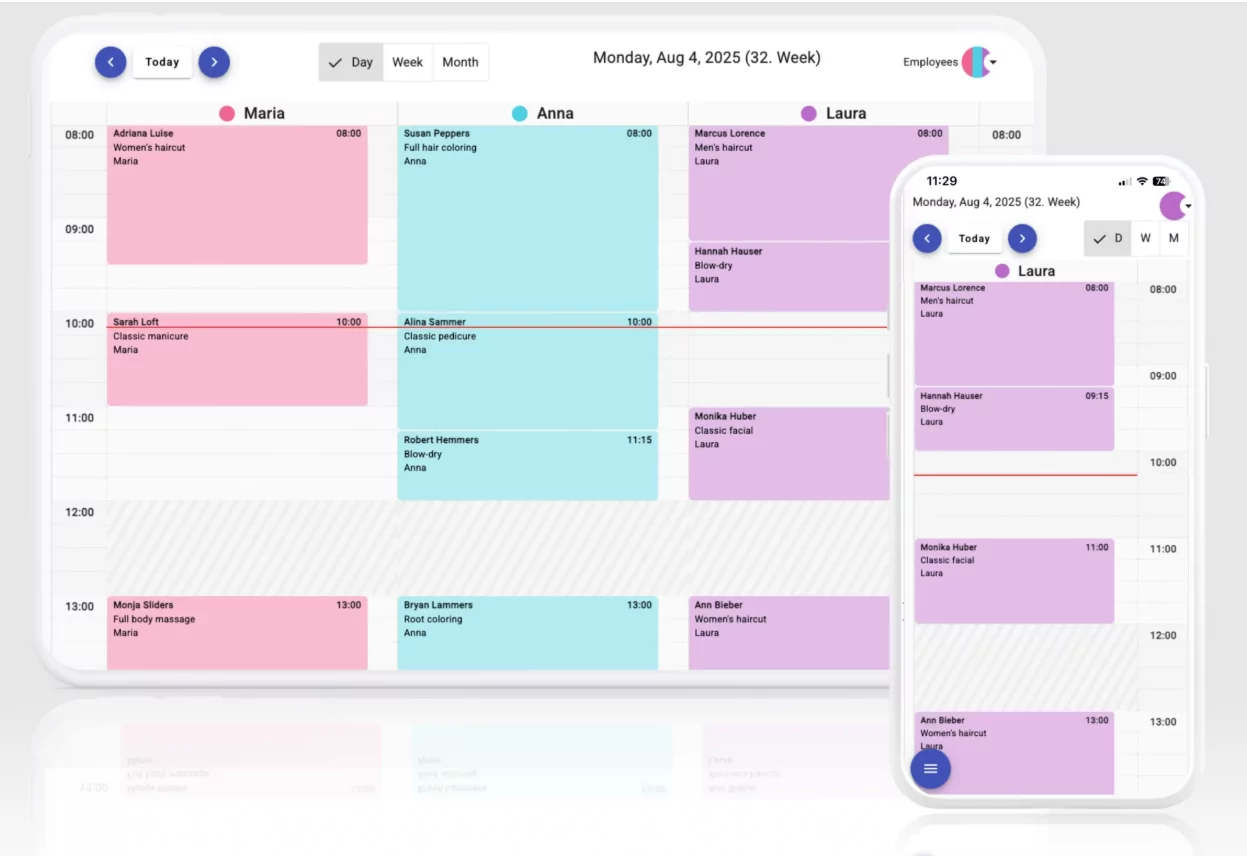
How the Feature Works
In a typical setup, the calendar owner defines available dates and time slots. Visitors can then select a preferred slot without needing to reveal full personal details publicly. Depending on the platform design, the system may use limited identifiers, masked contact data, temporary booking IDs, or private forms that only the organizer can access.
This means the public-facing part of the booking process stays minimal, while the backend still collects only the information required for confirmation or follow-up. The feature is especially valuable when the purpose of the meeting is sensitive, confidential, or early-stage.
Key Benefits for Users
One major advantage is privacy protection. Some users want to ask questions, request consultations, or join an appointment without immediately sharing personal details. An anonymous booking workflow gives them that option and makes the first step feel safer.
Another benefit is speed. A simple booking form with fewer required fields usually takes less time to complete. That reduced effort can make a large difference for mobile users, busy professionals, and people comparing multiple services before choosing one.
Anonymous scheduling can also reduce social pressure. In some situations, users may avoid booking entirely if they believe their identity will be exposed too soon. Offering a more discreet process can help them move forward comfortably.
Key Benefits for Businesses
Businesses benefit from better conversion potential. When fewer barriers stand between a visitor and a confirmed booking, more users are likely to complete the action. This can support lead generation, sales qualification, onboarding, and customer support efficiency.
It also helps build trust. Brands that show respect for user privacy often stand out in competitive digital markets. A digital calendar with anonymous time slot booking feature signals that the business understands modern user expectations and takes confidentiality seriously.
There is also an operational benefit. Teams can still organize availability, avoid double bookings, automate confirmations, and manage schedules in real time. In other words, privacy does not have to come at the expense of functionality.
Best Use Cases
This feature works well in industries where confidentiality matters from the start. Mental wellness consultations, legal intake sessions, HR reporting channels, financial advisory meetings, and sensitive B2B discussions are all strong examples.
It is also useful for marketplaces, freelance services, and online communities. In those environments, users may prefer to evaluate availability and book a time before deciding how much personal information they want to share.
Important Features to Look For
Not all scheduling tools handle privacy equally well. If you want to implement a digital calendar with anonymous time slot booking feature, look for a platform that offers customizable intake forms, limited public profile exposure, role-based access, and secure confirmation workflows.
Additional features such as timezone detection, automated reminders, buffer time between meetings, recurring availability, and calendar sync with major providers can make the system more practical. The ideal setup combines privacy controls with the scheduling features users already expect.
SEO and UX Value on a Website
From a digital marketing perspective, adding a booking page built around privacy can strengthen both user experience and on-page relevance. Visitors respond well to pages that clearly explain how the booking process works, what information is required, and why the system protects user confidentiality.
This kind of content can also support search visibility when the article is structured around a specific long-tail keyword such as Digital Calendar with Anonymous Time Slot Booking Feature. A well-optimized page should use the target keyword naturally in the title, introduction, headings, and supporting copy without sounding repetitive.
How to Present the Feature Clearly
If you are promoting this feature on a landing page or blog article, clarity is essential. Explain what the tool does, who it is for, and why anonymity adds value. Avoid vague claims and instead focus on practical benefits such as safer intake, simpler booking, and faster scheduling.
You should also include trust-building elements like concise FAQs, transparent data handling notes, and clear calls to action. These details improve confidence and help users understand that the anonymous booking process is intentional, useful, and professionally designed.
Common Mistakes to Avoid
One common mistake is promising anonymity while still requiring too much personal information at the first step. That creates a mismatch between the message and the actual user experience. If privacy is the main selling point, the form and workflow should reflect it.
Another mistake is overcomplicating the interface. A booking calendar should feel intuitive. If users need to click through too many screens or decode unclear instructions, they may abandon the process before confirming a slot.
It is also important not to ignore security. Anonymous booking should still be protected against spam, fake reservations, and scheduling abuse. Smart verification methods and limited backend access can help maintain reliability without making the system feel intrusive.
The Future of Private Scheduling
Digital scheduling is moving toward more personalized and privacy-aware experiences. Users want convenience, but they also want control over how and when their information is shared. A digital calendar with anonymous time slot booking feature meets both expectations in a practical way.
As more organizations compete on trust, usability, and data responsibility, anonymous booking features will become more valuable. Businesses that adopt this model early can offer a smoother scheduling experience while meeting the growing demand for secure and user-friendly digital interactions.
Final Thoughts
A digital calendar with anonymous time slot booking feature is more than a technical option. It is a strategic improvement for websites and platforms that want to reduce friction, protect user privacy, and increase booking efficiency.
When implemented correctly, this feature creates a better experience for both users and organizers. It supports secure scheduling, improves trust, and aligns with the modern expectation that digital tools should be both useful and respectful of personal data.
