Executives operate in environments where time is the most valuable resource. Meetings, decision-making, leadership responsibilities, and strategic planning all compete for limited attention. An executive calendar system provides a structured approach to scheduling that protects priorities while maintaining flexibility.
This article explains how an executive calendar system works and how leaders use advanced calendar strategies to improve productivity and decision quality.
What Is an Executive Calendar System?
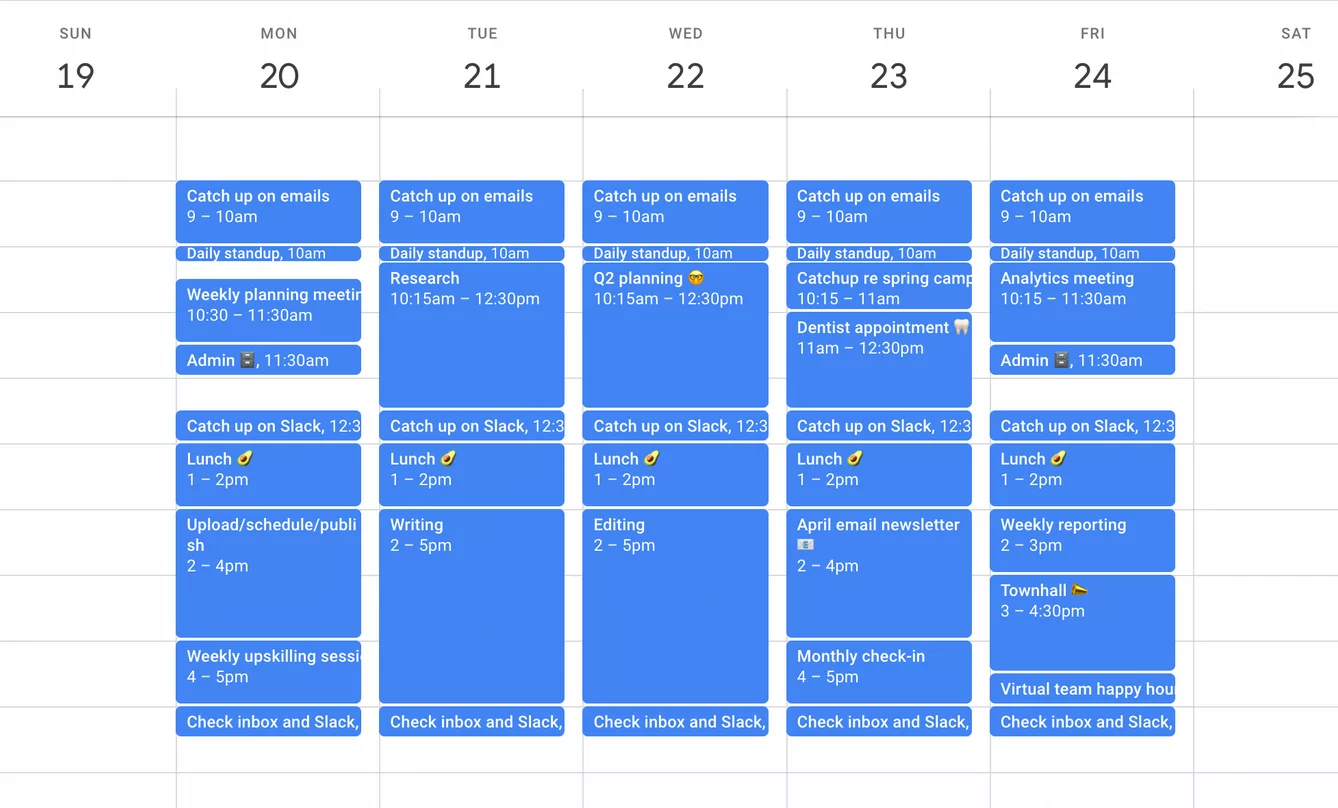
An executive calendar system is a strategic scheduling framework designed to manage high-impact responsibilities rather than simply booking meetings. It emphasizes priority protection, decision time, and long-term focus.
Why Executives Need a Structured Calendar System
- Prevent calendar overload from meetings
- Protect time for strategic thinking
- Reduce decision fatigue
- Improve leadership effectiveness
Core Elements of an Executive Calendar System
Time Blocking for Strategic Work
Executives block time for planning, analysis, and deep thinking before allowing meetings to fill the calendar.
Meeting Filters and Gatekeeping
Not every meeting deserves executive attention. Calendar filters ensure only high-value meetings remain.
Theme Days
Executives often dedicate specific days to leadership, operations, or external communication.
Buffer Zones
Intentional gaps prevent fatigue and allow flexibility between commitments.
Weekly Executive Calendar Review
A weekly review aligns calendar commitments with organizational priorities and removes low-impact tasks.
Who Benefits from Executive Calendar Systems?
- CEOs and founders
- Senior managers
- Business owners
- High-level consultants
Conclusion
An executive calendar system transforms scheduling from reactive to strategic. By protecting focus and prioritizing impact, leaders gain clarity, control, and long-term effectiveness.
FAQ
What makes an executive calendar different from a regular calendar?
It prioritizes strategic impact over volume of meetings.
How many meetings should executives allow per day?
Most executives benefit from limiting meetings to preserve thinking time.
Should executives block time for thinking?
Yes. Strategic thinking is a core leadership responsibility.
Can assistants manage executive calendars?
Yes, with clear rules and priorities defined by the executive.
Is time blocking suitable for executives?
Absolutely. It is one of the most effective techniques for leaders.
